
Achieving Supply Chain Visibility in Fashion
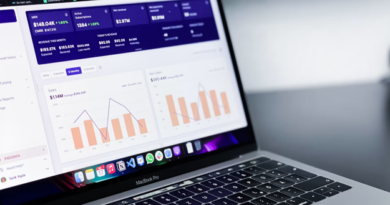
Image Credit: Unsplash
A dress sitting in your shopping cart has already travelled a long way before it reaches your wardrobe. Its journey may begin with raw fabric, pass through designers and manufacturers, cross borders, and move through multiple warehouses before arriving at your door. For fashion brands, every step can affect cost, quality, availability, and customer satisfaction.
Supply chain visibility gives brands a clear view of this journey. It allows businesses to track materials, inventory, and products from their origin to the customer. Customers increasingly expect transparency, reliable delivery, and confidence in what they buy.
For modern fashion brands, visibility is about more than logistics. It builds trust, improves customer service, reduces costly surprises, and gives leaders the information they need to make smarter decisions. A clear view of the supply chain helps brands respond faster, plan, and build a stronger business.
Why Visibility Is Crucial Now
The fashion industry moves at lightning speed, and customer expectations have changed just as quickly. Shoppers today want more than just a beautiful product; they want to know the story behind it. They’re asking important questions about sustainability, ethical production, and a brand’s environmental impact. Without a clear view of your supply chain, giving honest answers is impossible. This kind of transparency has become a huge factor in building brand loyalty.
Beyond the ethics, there’s also the practical pressure of the market. Trends can shift in a matter of weeks, and being able to react quickly is key. Supply chain visibility lets you spot potential delays, like a fabric shipment stuck in transit, and pivot before it messes up your launch date. It helps prevent popular items from selling out or, on the flip side, avoids ordering too much of something that isn’t moving. Basically, visibility turns solving problems reactively into a proactive strategy, helping you run a responsible fashion catalyst and smarter business.
Tracking Inventory in Real-Time
So, how do brands actually get this level of oversight? It all starts with tracking every single item right from the beginning. Think of it like giving your products a passport. This is often done using technology like:
- Barcodes: The classic way to track boxes and pallets of goods.
- QR Codes: These can hold more information, like the specific factory or material batch.
- RFID Tags: These are small chips that can be scanned from a distance, letting you count inventory quickly without handling each item.
As garments are produced, packaged, and shipped, they get scanned at each checkpoint. This data creates a digital trail, showing exactly where your inventory is at any moment. You can see when a batch of sweaters leaves the factory in one country, when it arrives at port, and when it’s unloaded. Once the products land in the US, they typically head to a central fulfillment center where they’re sorted, stored, and prepped for shipment to customers. At this stage, real-time tracking is super important for managing stock levels and making sure the right products are ready to go out the door as soon as an order comes in.
From Warehouse to Customer
The final and most customer-facing part of the supply chain is the “last mile” – that’s the journey from the warehouse to the shopper’s home. This is where visibility really makes a difference for the customer experience. When someone clicks “buy,” they expect an immediate confirmation and a reliable delivery estimate.
Good supply chain visibility makes these features possible. When your e-commerce platform is connected to your warehouse’s inventory system, you can:
- Send accurate, real-time shipping updates via email or text.
- Offer a tracking link that shows the package’s progress.
- Give customers a precise delivery window, cutting down on those “where is my order?” calls.
- Handle returns more smoothly by tracking the item’s journey back to the warehouse and processing refunds faster.
This level of transparency doesn’t just ease customer worries; it builds confidence. A smooth and predictable delivery experience is a great way to encourage repeat business and positive reviews.
Benefits of a Unified Platform
Tracking products across different suppliers, shippers, and warehouses can generate a ton of data. If all that information lives in separate spreadsheets, emails, and software systems, it’s nearly impossible to see the big picture. That’s why many brands are turning to unified platforms that bring all their supply chain data into one central dashboard.
A unified system pulls together information from your manufacturers, your shipping partners, and your e-commerce store. Instead of logging into multiple portals to find what you need, you have one single source of truth. This highlights the importance of supply chain visibility and provides a clear path to solutions. With everything in one place, you can easily check inventory levels across all locations, spot bottlenecks in your shipping routes, and get a complete overview of your operations at a glance. This consolidation saves countless hours and prevents costly errors that happen when information is scattered.
Making Data-Driven Decisions
Perhaps the biggest perk of supply chain visibility is the ability to use its data to make smarter, more strategic business decisions. A clear and accurate view of your entire operation means you’re no longer just guessing. You’re analysing.
For example, the data can show you:
- Sales Velocity: You can see which products are selling fastest in specific regions and proactively move stock around to meet that demand.
- Supplier Performance: Is one of your manufacturers always late with shipments? Visibility data makes this obvious, letting you address the issue or find a more reliable partner.
- Return Patterns: If a particular blouse is frequently returned because it’s “too small”, you can use that data to adjust the product’s sizing guide or discuss quality control with your manufacturer.
- Demand Forecasting: Looking at past sales and inventory data helps you predict more accurately how much of a new item you’ll need to order, reducing the risk of holding too much stock or selling out too quickly.
This information turns your supply chain from just a cost centre into a source of valuable business intelligence that can drive growth and profitability.
Ultimately, supply chain visibility is about more than technology and logistics. It’s about building a fashion brand that’s more resilient, responsive, and trustworthy. Transparency can improve your operations while also strengthening the connection with customers who believe in your products and your story.