
Budgeting for Vehicle Upkeep: Long-Term Savings
Image Credit: Unsplash
Your car’s total cost of ownership extends far beyond the monthly payment and insurance premiums. Every vehicle requires ongoing care, from routine oil changes to unexpected repairs, and these expenses can quickly add up if you’re not prepared. Creating a smart budget for vehicle upkeep helps you avoid financial stress, extend the life of your car, and achieve significant long-term savings. A proactive approach to car care is not an expense; it’s an investment in your vehicle’s reliability and value.
Create a Car Maintenance Fund
The most effective way to handle car expenses is to plan for them before they happen. Instead of scrambling when a check engine light comes on, establish a dedicated car maintenance fund. This is a separate savings account where you automatically deposit a set amount each month; think of it as a bill you pay to your future self. Experts often suggest setting aside between $50 and $100 per month.
Having a dedicated fund helps you cover both routine services and surprise repairs without dipping into your primary emergency fund or going into debt. Creating a vehicle maintenance budget gives you a clear roadmap. The key is consistency. By treating this contribution as a non-negotiable monthly expense, you build a financial cushion that turns a potential crisis into a manageable task. Proper budgeting for car repair costs ensures you’re always ready for what the road throws your way.
Preventative Care Pays Off
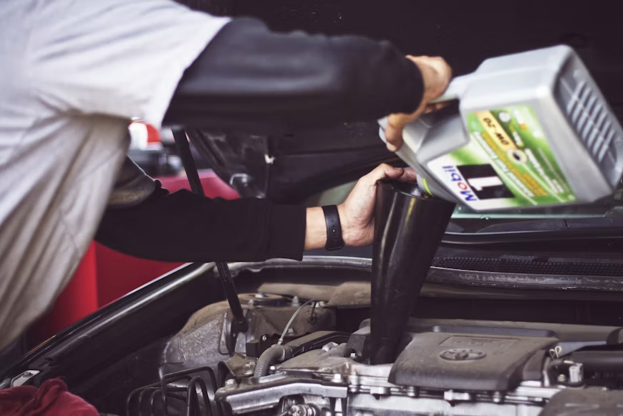
It’s an old saying because it’s true: an ounce of prevention is worth a pound of cure. This is especially accurate when it comes to your vehicle. Adhering to your car’s recommended maintenance schedule is the single best way to avoid massive repair bills. Simple tasks like regular oil changes, tire rotations, and filter replacements are inexpensive but protect your car’s most critical and costly components.
For example, a $75 oil change every 5,000 miles prevents sludge buildup that can destroy a $5,000 engine. Likewise, rotating your tires for $25 can help a $800 set of tires last an extra 10,000 miles or more. These small, predictable costs are easy to budget for and save you from the financial shock of a major system failure. Following the manufacturer’s service intervals keeps your car running efficiently, improves fuel economy, and maintains its resale value.
Understanding Protection Investments
Beyond mechanical maintenance, protecting your vehicle’s condition is another smart investment. The exterior of your car is constantly exposed to threats like rock chips, road salt, bird droppings, and sun damage. These elements can degrade your paint, leading to rust and a significant drop in resale value, which is why many consider the paint protection film pros. While regular washing and waxing help, some owners choose more durable solutions.
Investing in a protective layer can save you money on cosmetic repairs down the road. This transparent, durable film acts as a shield for your car’s most vulnerable areas, like the front bumper, hood, and side mirrors. It absorbs the impact from small road debris that would otherwise chip your paint, preventing costly touch-ups and preserving that factory finish.
Maximize Your Car’s Lifespan
How you drive and care for your car daily has a huge impact on its longevity. Gentle driving habits significantly reduce wear and tear. Avoid aggressive acceleration and hard braking, as these behaviors strain your engine, transmission, and brake system. Smooth, steady driving not only saves fuel but also extends the life of these expensive components.
Don’t ignore dashboard warning lights. That little glowing symbol is your car’s way of asking for help. Addressing it immediately often means a simple, inexpensive fix, while ignoring it can allow a small problem to cascade into a catastrophic failure. Finally, keep your car clean inside and out. Washing the undercarriage, especially in winter, removes corrosive salt, while keeping the interior tidy prevents premature wear on upholstery and surfaces.
Track Your Automotive Spending
To truly master your vehicle budget, you need to know where your money is going. Start tracking every single dollar you spend on your car. This includes fuel, insurance, registration fees, car washes, routine maintenance, and any repairs. You can use a simple notebook, a spreadsheet, or a budgeting app.
After a few months, you’ll have a clear picture of your car’s true cost of ownership. This data is powerful. It allows you to see if your maintenance fund contributions are adequate or if they need to be adjusted. It also helps you spot trends. For instance, if you notice your repair costs are steadily increasing on an older vehicle, your data might help you decide when it’s more cost-effective to replace the car rather than continue fixing it.
Taking control of your vehicle expenses starts with a plan. Saving proactively and focusing on preventative care helps you keep your car reliable and your finances healthy for years to come.